

1. Overview of Xpedition
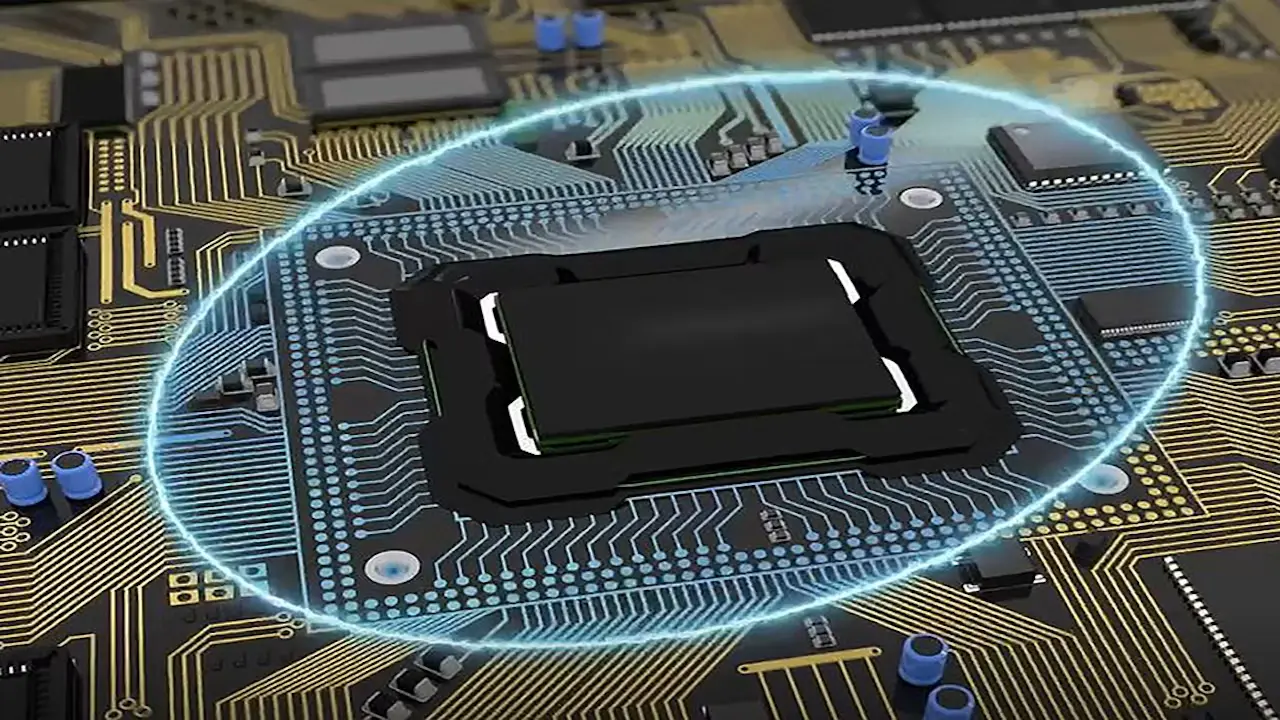
Xpedition is Siemens EDA’s advanced printed circuit board design solution (PCB – Printed Circuit Board), developed to support the entire electronic design process, from concept development and schematic design to PCB layout, signal analysis, design-for-manufacturing verification, and design data management. Xpedition is widely regarded as one of the most powerful PCB design platforms available today, particularly for highly complex products such as telecommunications equipment, servers, electric vehicles, aerospace systems, and industrial systems.
Xpedition stands out for its integrated design architecture, powerful Constraint Management capabilities, support for concurrent multi-user design, and close integration with analysis tools such as HyperLynx and Valor DFM solutions. Siemens has also incorporated AI-powered capabilities to support design activities, component management, and workflow optimization.

2. The Xpedition Ecosystem
The Xpedition ecosystem includes a wide range of specialized tools:
- xDX Designer: Schematic design.
- Xpedition Layout: 2D and 3D PCB design.
- Constraint Manager: Management of design rules and electrical constraints.
- HyperLynx: Signal Integrity (SI), Power Integrity (PI), and EMC/EMI analysis.
- Valor NPI: Design for Manufacturing and Design for Test verification (DFM/DFT).
- PartQuest and Supply Chain Intelligence: Component and supply chain management.
- MCAD Collaboration: Integration with mechanical design software such as NX, SolidWorks, and Creo.
Through this integration, engineers can perform the entire PCB development process within a unified environment, minimizing errors and shortening time to market.
3. Xpedition Editions
Siemens provides three primary solution levels designed to meet the requirements of users ranging from individual engineers to large enterprises.
3.1 PADS Pro Essentials
This is the entry-level edition within the Xpedition ecosystem, designed for individual engineers, startups, and small design teams. Although positioned in the entry-level segment, PADS Pro Essentials is still built on Xpedition technology.
Key features:
- Professional schematic and PCB design.
- Constraint-driven design.
- Component libraries and basic data management.
- Low initial investment cost.
- Easy adoption for users who are new to Siemens EDA.
Target users:
- Students.
- Hardware startups.
- Small PCB design companies.
3.2 Xpedition Standard
This edition was introduced by Siemens for growing engineering teams that require more advanced capabilities but do not yet need a complex enterprise-level data management system. Xpedition Standard provides a balance between cost and performance, making it suitable for small and medium-sized enterprises.
Key features:
- PCB design ranging from simple to complex projects.
- AI-assisted automation and improved design productivity.
- Intelligent component and BOM management.
- Hierarchical Design.
- Integrated 3D design capabilities.
- Support for cloud-based collaboration.
- Integrated DFM verification powered by Valor technology.
- Optional Signal Integrity and Rigid-Flex modules available through an add-on model.
Target users:
- Medium-sized PCB design companies.
- ODM and OEM enterprises.
- Electronic product development teams with 5–50 engineers.
3.3 Xpedition Enterprise
This is Siemens’ most advanced edition, developed for large corporations and highly complex electronics projects. It enables multiple engineering teams to work concurrently on the same design while managing complete product data at the enterprise level.
Key features:
- Concurrent Design, allowing multiple engineers to work on the same PCB simultaneously.
- Centralized enterprise-scale data management.
- Requirements management and multi-board system design.
- Advanced security and intellectual property management.
- Deep integration with PLM, MES, and other enterprise systems.
- Support for high-speed PCB, HDI, DDR, PCIe, SerDes, RF, and other complex electronic system projects.
- Support for global design processes involving engineering teams across multiple countries.
Target users:
- Telecommunications corporations.
- Semiconductor companies.
- Aerospace organizations.
- Automotive and electric vehicle manufacturers.
- Networking equipment and data center solution providers.
4. Advantages of Xpedition
Compared with many other PCB design solutions on the market, Xpedition offers several key advantages:
- A highly powerful Constraint Management system.
- The ability to handle large and complex PCB designs.
- Complete integration from design through manufacturing.
- Support for multi-user collaboration.
- Close integration with HyperLynx for SI/PI analysis.
- Scalability from individual users to enterprises without requiring design data conversion.
However, according to feedback from many engineers on specialized industry forums, Xpedition has a relatively steep learning curve and a more complex interface than some tools such as Altium Designer. In return, its ability to manage large-scale designs and its advanced constraint management system are major advantages that lead many large enterprises to select Xpedition for critical projects.
5. AI Capabilities in Xpedition
Artificial intelligence (AI) is deeply integrated into Siemens Xpedition to automate printed circuit board design processes, improve productivity, and minimize technical errors. This technology transforms complex manual tasks into intelligent automated workflows, enabling engineers to optimize products more quickly.
5.1 Core AI Capabilities in Xpedition
The Siemens Xpedition product portfolio and recent updates, such as the Xpedition 2409 release, focus on applying AI to the following tasks:
- AI-powered datasheet analysis: Automatically extracts configuration information from component manufacturers’ PDF documentation, reducing the time required for manual data entry.
- Context-aware prediction and recommendations: Learns from user behavior and working habits to recommend the next relevant commands in real time.
- Automation of repetitive tasks: Intelligently automates trace routing, basic component placement, and board space optimization.
- Supply chain intelligence: Integrates with the PartQuest platform to analyze unified bill of materials (BOM) data and identify component risks in real time.
5.2 Practical Value for Engineering Teams
The implementation of AI across editions ranging from Xpedition Standard for smaller teams to large-scale Xpedition Enterprise systems provides several significant benefits:
- Bridging the skills gap: Provides effective support for less experienced engineers when addressing complex electronic system design challenges.
- Shorter time to market: Reduces trial-and-error design cycles through algorithms that identify potential design issues at an early stage.
- Enhanced advanced packaging capabilities: Supports the optimization of modern semiconductor packaging technologies such as chiplets and 3D ICs.
6. Conclusion
Xpedition is Siemens’ leading PCB design platform, providing a comprehensive solution that covers the entire process from schematic design to manufacturing. With three solution levels—PADS Pro Essentials, Xpedition Standard, and Xpedition Enterprise—Siemens provides a highly scalable ecosystem for users ranging from individual engineers to global technology corporations. In particular, for applications requiring high-speed and high-density PCBs as well as complex collaborative workflows, Xpedition is regarded as one of the most powerful and comprehensive solutions currently available.
Contact VBTECH for a direct consultation: